Specifications
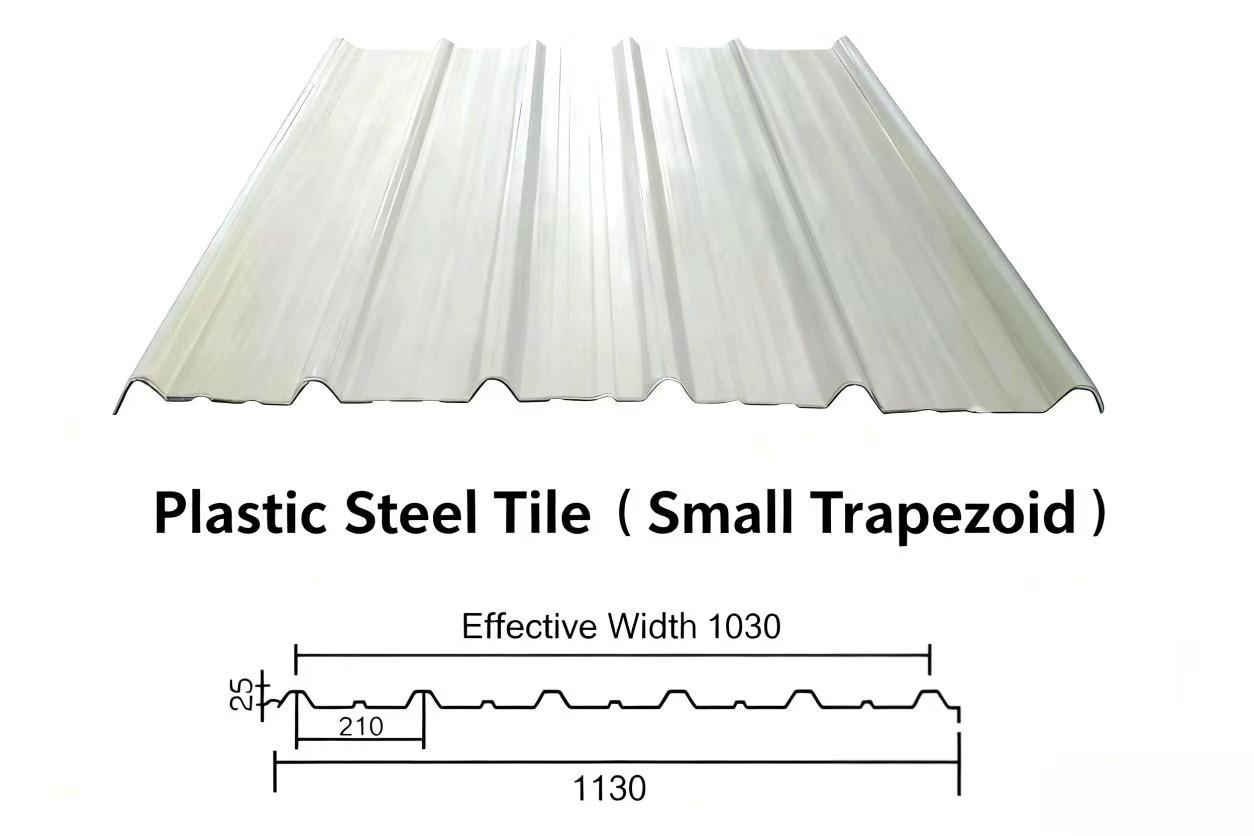
Thickness: 0.3mm - 1.0mm
Width: 800mm, 900mm, 1000mm (common widths, customizable)
Length: Customized based on construction needs, typically ranging from 3m to 12m
Wave Height: Usually 10mm, 15mm, 20mm, etc.



Thickness: 0.3mm - 1.0mm
Width: 800mm, 900mm, 1000mm (common widths, customizable)
Length: Customized based on construction needs, typically ranging from 3m to 12m
Wave Height: Usually 10mm, 15mm, 20mm, etc.
Industrial Buildings: Roofs of warehouses, workshops, production lines, etc.
Agricultural Structures: Greenhouses, livestock sheds, etc.
Commercial Buildings: Roof decorations and structures in commercial areas.
Small-Scale Structures: Carports, villas, and other small-span roofs.
Environmental Facilities: Eco-friendly roofs, container-style roofs, etc.
Lightweight and High Strength: Compared to traditional roofing materials such as concrete tiles, plastic-steel tiles are lightweight yet possess high strength, effectively reducing the structural load of buildings.
Corrosion Resistance and Durability: The surface is treated with galvanization or color coating, providing excellent corrosion resistance and the ability to withstand erosion from environmental factors such as acid rain and air pollution.
Wind and Earthquake Resistance: The small trapezoidal waveform design offers strong wind pressure resistance, making it particularly suitable for areas with high wind conditions.
Thermal Insulation: The unique waveform design and coating effectively reflect heat, reducing indoor temperature rise in summer and significantly lowering air conditioning energy consumption.
Long Service Life: The surface-treated plastic-steel tiles have a long lifespan and can endure harsh climate changes
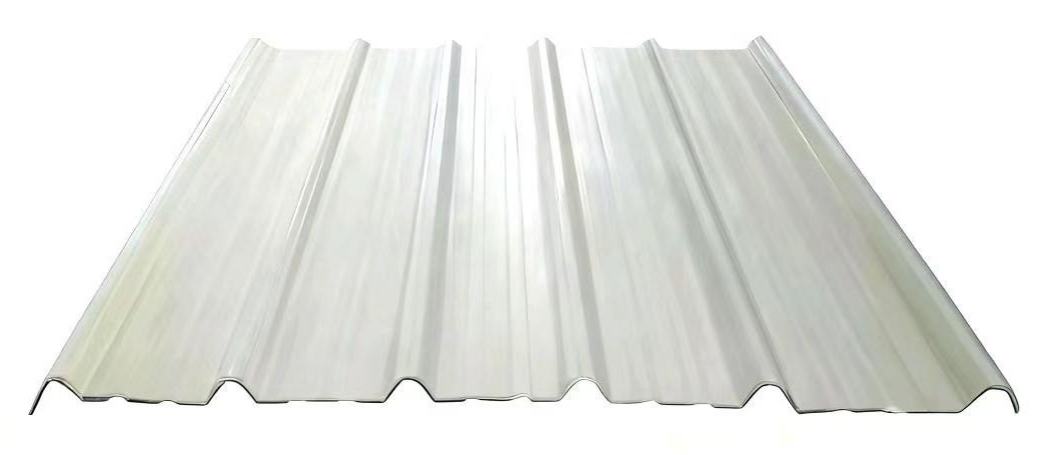
Waveform Design: The compact small trapezoidal waveform ensures structural stability, making it suitable for roofs with smaller spans and providing robust structural support.
Color Longevity: The high-quality coating offers excellent UV resistance, ensuring long-term color retention and maintaining the aesthetic appeal of the building.
Waterproof Performance: The peak-and-valley design of the small trapezoidal plastic-steel tiles ensures tighter seams between tiles, minimizing water infiltration and keeping the roof dry.
Easy Installation: The lightweight design, simple overlapping method, and locking system enable quick and efficient installation, significantly reducing construction time and costs.
Pre-Installation Preparation:
Inspect the structural stability of the roof framework to ensure it can support the weight of the plastic-steel tiles.
Confirm the roof slope and drainage design to prevent water accumulation.
Clear the installation area of any debris, dust, or obstacles.
Installation Steps:
Take measurements according to the design drawings and begin by installing the ridge tiles.
Lay the small trapezoidal plastic-steel tiles on the roof, aligning the peaks and valleys, and ensure the overlapping edges meet the required specifications.
Secure the tiles to the roof structure using specialized screws, avoiding over-tightening to prevent deformation of the steel plates.
Pay attention to sealing gaps during installation to ensure effective waterproofing.
Maintenance:
Regularly inspect the roof for signs of water accumulation, cracks, or deformation.
Clean the tile surfaces and drainage gutters periodically to maintain optimal drainage performance.
Transportation Methods:
Small trapezoidal plastic-steel tiles can be transported by road, rail, or water, with container shipping typically preferred.
Transportation Requirements:
Ensure tiles are protected from compression or impact during transit to prevent surface scratches or deformation.
It is recommended to cover the tiles with waterproof tarpaulins to shield them from rain during transportation.
Secure stacking must be maintained throughout transportation to avoid deformation caused by excessive pressure.
Storage Environment: Small trapezoidal plastic-steel tiles should be stored in a well-ventilated, dry, and cool area, avoiding high-temperature or humid conditions.
It can be transported by sea, land, and air, usually through container transportation
Storage Requirements:
Tiles should be stacked horizontally on a flat surface to prevent water accumulation and minimize damage.
For long-term storage, regularly inspect the coating integrity of the tiles to ensure corrosion resistance.
Storage areas must be kept away from corrosive substances (e.g., acids, alkalis, salts) to prevent surface coating degradation.
HUIZHOU NOVI Trading Co., Ltd All Rights Reserved. 苏ICP备88888888号