NOVI Products NOVI Products
FRP Daylighting Tile
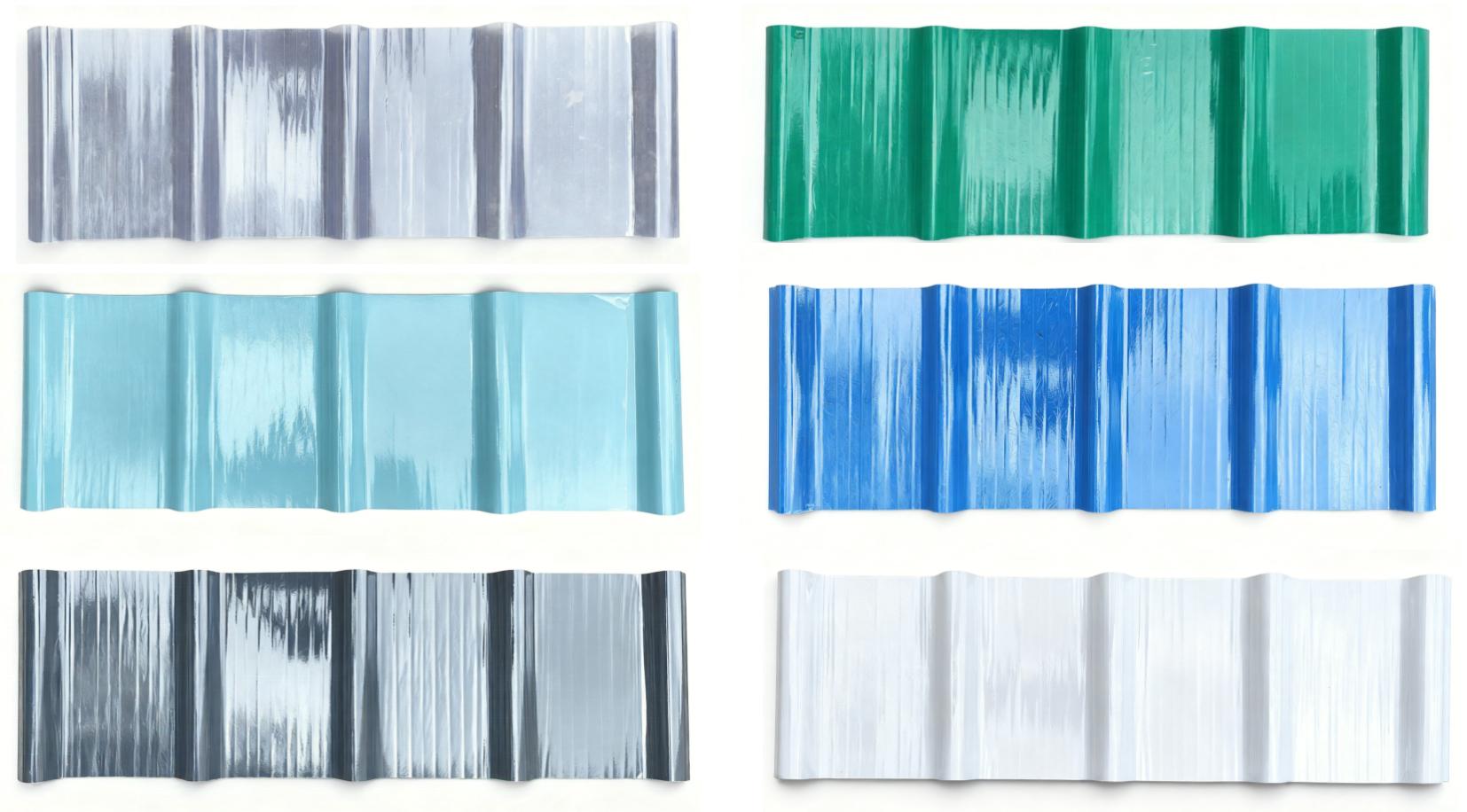
FRP daylighting tile
Specifications

Thickness: 0.8mm--4.0mm((Tolerance: Typically ±10%)

Panel Types: 840-type, 760-type, 820-type, 980-type, 900-type, 1050-type, 750-type, 800-type, 960-type, 1130-type (All types can be customized)

Length and Color: Customizable

FRP daylighting tile
Application

Suitable for skylight belt projects in new or renovated industrial plant roofs.

Applicable to embedded or attached daylighting designs on various roof materials (concrete, metal panels, FRP, etc.).

Ideal for agricultural greenhouses, eco-parks, and other structures requiring high natural lighting, fire safety, and corrosion resistance.

Designed for top lighting systems in large public buildings (stadiums, transportation hubs, commercial centers).

Used in green buildings and energy-efficient renovation projects requiring strict energy consumption control and improved indoor lighting comfort

Advantages

① Service Life:

Varies from 15 to 25 years depending on thickness and quality. High-quality products can exceed 20 years.


② Light Transmittance:

Reaches 85%-89% (1.5mm thickness, colorless panels). Varies with color and thickness. Premium products maintain 85%±2% long-term transmittance while blocking 99% of UV rays.


③ Flame Retardancy:

Complies with GB/T 14206-2005 national standard. Common ratings: F1 (oxygen index ≥30%) and F2 (oxygen index ≥26%).


④ Impact Resistance:

Exceptional impact strength—250-300 times that of ordinary glass and 30 times that of acrylic sheets of the same thickness.


⑤ Temperature Resistance:

Stable performance within -40°C to 120°C, without high-temperature softening or low-temperature brittleness.

Features

High Light Transmittance with Soft Lighting: Diffuses light evenly, providing soft illumination with high transmittance retention while effectively blocking most UV rays.

Exceptional Weather Resistance: Maintains stable performance in extreme cold and high temperatures, with strong anti-aging properties.

Excellent Corrosion Resistance: Resists acids, alkalis, salts, and other chemicals, making it suitable for corrosion-prone environments like chemical and metallurgical industries.

High Strength and Impact Resistance: Outstanding impact resistance.

Instructions

Laying Direction: Install from the eave toward the ridge. The panels directly snap onto the side peaks of steel sheets.

Pre-Drilling: Pre-drill holes before fixing; the hole diameter must be 6-9mm larger than the screw diameter to allow for thermal expansion and contraction.

Overlap and Sealing:

① Longitudinal Overlap: Minimum 200mm overlap, sealed with specialized waterstop tape or neutral weather-resistant sealant.

② Transverse Overlap: Overlap at least one wave peak, similarly sealed.

Fixing Method: Use reliable flashing washers between screws and panels for waterproofing and dust prevention. Insert the washer into the screw and drill into the purlin.

Safe Construction: Never step directly on wave peaks to avoid cracking. Place anti-slip wooden boards laterally on panels for safe footing during work

Information

Execution Standard:


China's GB/T 14206-2005 "Fiberglass Reinforced Polyester Corrugated Panels"

GB 8624-2012 "Flammability Classification of Building Materials and Products"


Transportation:


Flat Placement and Securing: Place panels flat on clean pallets larger than the sheet size and strap properly to reduce vibration and sliding during transit.

Edge and Film Protection: Protect panel edges from damage and keep the double-sided protective film intact. Handle carefully during loading/unloading to avoid rough operations.

Extreme Weather Precautions: Exercise extra caution in extreme weather and take protective measures.

It can be transported by sea, land, and air, usually through container transportation


Storage Conditions:


Indoor Storage: Store indoors away from direct sunlight or rain.

Stacking Requirements: Stack length should not exceed 2 meters. Avoid heavy loads on panels and hard objects between sheets. Stack height should be moderate to prevent deformation of bottom panels.

Environmental Requirements: Storage rooms must be clean, dry, and dust-free. Do not store other chemicals in the same area.

Protective Film: Do not damage or remove the protective film during storage, as it safeguards the panel surface from scratches and contamination before installation.